
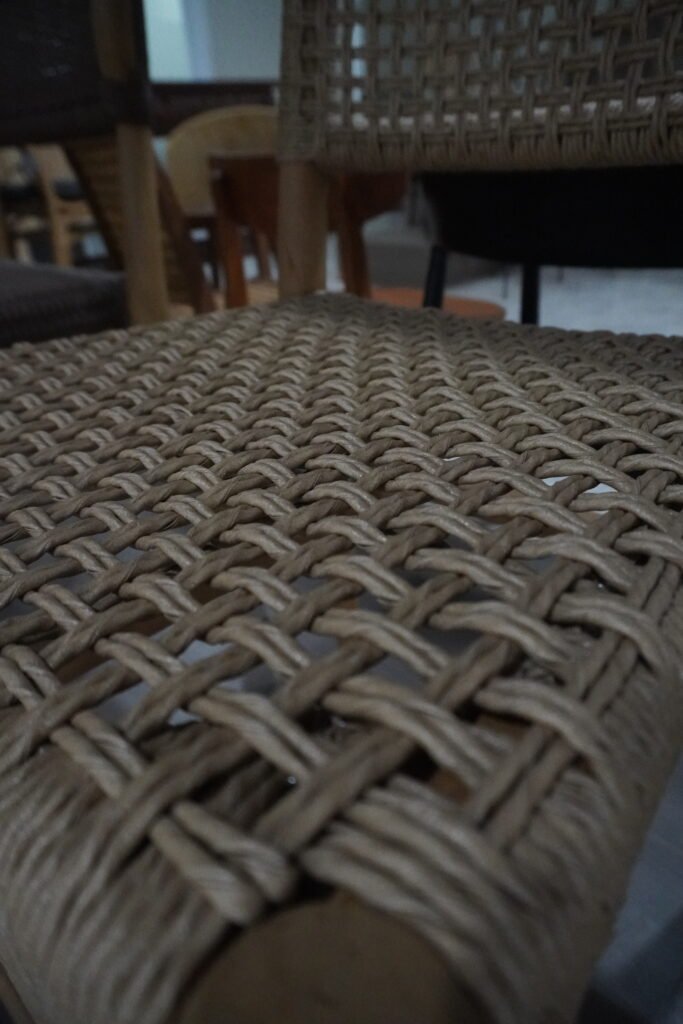
Rattan furniture brings a unique blend of organic warmth and sophisticated texture to any home. Whether it’s a vintage peacock chair or a contemporary dining set, rattan is celebrated for its durability and lightweight nature. However, because it is a natural fiber, it requires specific care to prevent it from becoming brittle or lose its luster.
With the right maintenance, your rattan pieces can easily become heirlooms that last for 30 years or more. Here is your comprehensive guide to preserving rattan for the long haul.
Master the Routine Clean
Dust is the silent enemy of rattan. It settles into the intricate weaves and can act like sandpaper, wearing down the fibers over time.
Weekly Dusting: Use a soft cloth or a vacuum cleaner with a brush attachment to remove surface debris.
Monthly Deep Clean: Mix a few drops of mild dish soap in a bowl of warm water. Use a soft cloth to wipe down the furniture, being careful not to soak the wood. Rattan is porous; too much water can cause it to warp or grow mold.
The Toothbrush Trick: For those hard-to-reach crevices in the weave, use an old toothbrush to gently scrub out trapped grime.
Humidity is a Balancing Act
Rattan is a tropical plant, meaning it hates being bone-dry but suffers if it’s too wet.
Prevent Brittleness: If you live in a very dry climate or use heavy indoor heating, the fibers can crack. Occasionally wipe the furniture with a slightly damp cloth to “hydrate” the strands.
Avoid Sagging: Never sit on rattan furniture while it is damp. The fibers become flexible when wet, and weight will cause the seat to sag permanently. Always let it dry completely (usually 24 hours) before use.
Sun Protection
While rattan looks beautiful on a sun-drenched patio, prolonged exposure to direct UV rays is its greatest threat. Sun bleaches the color and makes the natural oils in the vine evaporate, leading to snapping and splitting.
Treat it with Natural Oils
Every year or two, give your rattan a “spa day” to restore its flexibility and shine.
Linseed Oil: Applying a light coat of boiled linseed oil with a soft rag helps nourish the fibers.
Lemon Oil: This is excellent for adding a protective sheen and a fresh scent. After applying oil, let the piece sit for several days to absorb the moisture before putting cushions back on.
Rotate and Rearrange
To ensure even wear, rotate your furniture every few months. This prevents one side from getting more sun exposure or more “weight strain” than the other. Additionally, using high-quality cushions isn’t just for comfort—they help distribute weight evenly across the weave, preventing the individual strands from snapping under pressure.