
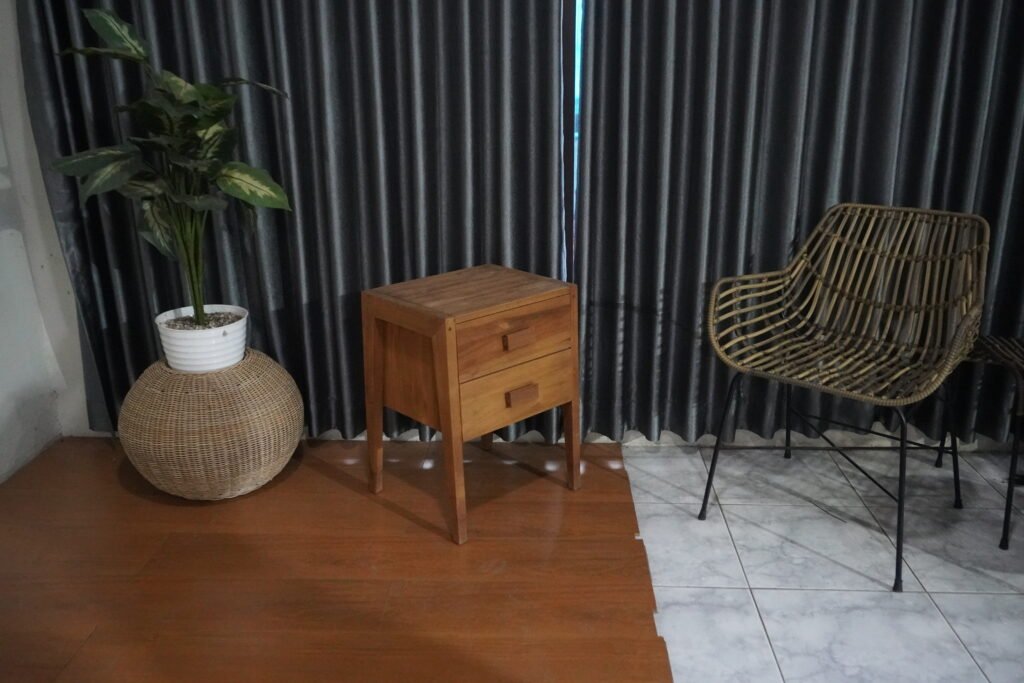
For centuries, rattan has been a silent companion to human civilization. Many traditional materials died out due to plastic and industrial synthetics. Yet, rattan remains rooted in our modern lives. Its survival is not just about durability. It is a testament to unending human creativity. We constantly reimagine this old material for a new world.
Versatility Through the Ages
Rattan survives because of its unique biology. This climbing palm grows in tropical rainforests. It is strong, light, and very flexible. However, these traits need human skill to shine. In the past, rattan was used for rugged farming baskets. Today, it appears in high-end Parisian cafes. We have moved beyond clunky old furniture. Now, we see sleek, minimalist designs. These styles fit perfectly into modern “Japandi” or “Boho-chic” homes.
Innovation in the Smallest Details
Human ingenuity has scaled rattan down to the tiniest details. It is no longer just for large chairs. It has entered the “micro-moments” of our daily lives. Modern Fashion, rattan has moved from the floor to the wardrobe. We see it in handbags, watch straps, and even jewelry. Scented Air, look at your reed diffusers. Those porous sticks are often rattan. They use natural capillary action to spread essential oils. Warm Technology, rattan now covers Bluetooth speakers and chargers. It adds organic warmth to cold, metal gadgets.
A Hero for the Environment
In our climate crisis, rattan is a sustainability hero. It grows much faster than timber. It also needs healthy forests to survive. This gives people a reason to protect rainforests. Humans have recognized this “green gold.” We merge old weaving methods with modern design. This creates a cycle that respects the earth. It also satisfies our desire for beautiful things.
“Rattan shows human resilience. Like the vine, our ideas wrap around obstacles to find the light.”
The Future of the Vine
Rattan exists today because we refuse to let it go. We took a humble jungle vine and added innovation. We gave it art and an environmental purpose. As long as humans stay creative, rattan will stay with us. It will remain in our homes, from our roofs to the smallest desk trinkets.